 Search
 Investors
 1-800-318-8997
5 Tips to Protect Yourself from Online Banking Scams

We work, socialize, and share our lives online. With this ever-present digital access also comes risks and exposure to online scammers. While online tools are getting smarter, so are scammers. From fake emails to convincing chatbots, today’s online banking scams look more realistic than ever. The good news? A few smart habits can go a long way in protecting online accounts and helping you avoid banking scams. Below are five practical online banking safety tips to help you recognize threats, avoid banking scams, and protect your financial information.
1. Learn to Recognize Phishing and Fake Email Communications
According to the Association of Certified Fraud Examiners, Phishing is a popular scheme that involves tricking businesses or individuals into providing passwords, account numbers, or other sensitive data by falsely claiming to be from an actual
business, bank, internet service provider (ISP), or other entity with which the targets do business.
Modern phishing schemes usually occur via email or other electronic communication.
Phishing scams usually look like:
- Emails that appear to be from your bank
- Text messages claiming your account is locked
- Phone calls posing as fraud alerts
When looking for phishing attempts and online banking scams, watch out for a sense of urgency from the sender. Scammers may use time sensitive language such as “Verify your account immediately” or “Act now or your account will be locked.” Phishing emails and text messages typically direct you to click on a link, download a file, or share sensitive information like passwords and account numbers.
Avoid banking scams and phishing:
- Never click links in emails or texts from unknown senders. This includes institutions claiming to be your bank. Your bank will never ask you to share personal information via email or phone.
- Don’t trust caller ID alone. Scammers can spoof phone numbers to look legitimate.
- Check for subtle red flags, like misspellings, strange email addresses, or generic greetings. Look at the sender’s email. If they claim to be from “Acme Bank,” but their email address is from a random email address, delete, and report as spam.
- Contact Landmark or the institution directly. If you get an email saying you need to update a password or click a link, log into your banking app or call directly using the phone number on your card or the official website.
To reiterate, Landmark will never ask for your full password, PIN, or online banking login credentials through email or text.
2. Use Strong Passwords and Always Enable Multi-Factor Authentication
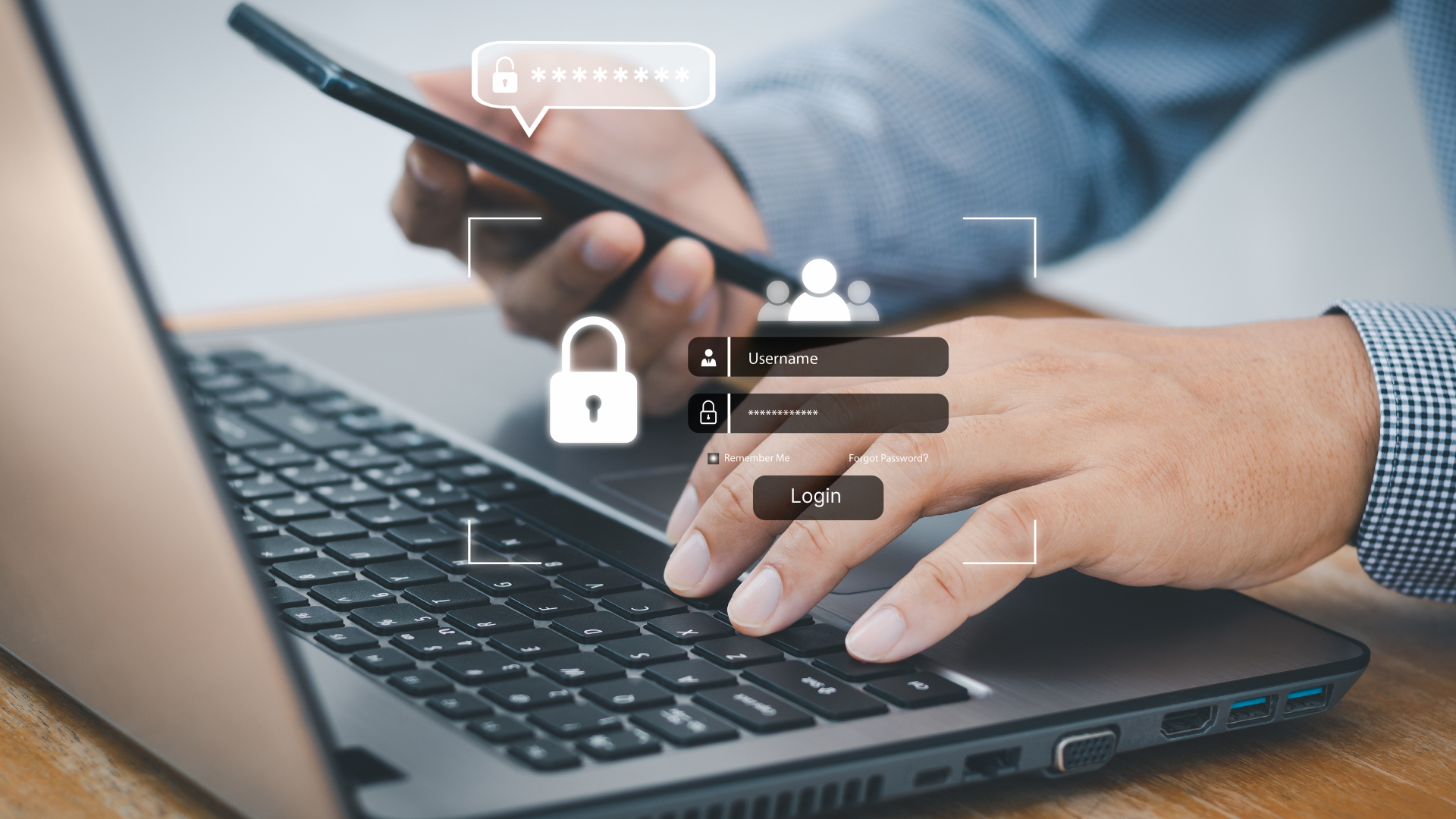
Creating strong passwords is the first step in protecting online accounts. A weak password may allow access to spammers and hackers and put your account and information at risk. Many people choose to use the same password on all their accounts to make their life easier. But it’s important to create unique, strong passwords for every account.
Online banking safety tips:
- Choose a password containing at least 12 characters
- Combine uppercase, lowercase, numbers, and symbols
- Avoid common words, birthdays, or names
- Never reuse your online banking password across other accounts
- Do not share your password with anyone
Even with a strong password, no system is completely immune to scammers. That’s why multi-factor authentication (MFA) is an important addition to your online security. After entering your password, MFA adds a second verification step such as sending a code to your phone or email to verify your identity and avoid banking scams.
If you haven’t already, enabling MFA is one of the smartest online banking safety tips you can do to keep your account secure.
3. Monitor Your Accounts and Set Up Alerts
Being alert and aware of your accounts and information is one of the best ways to protect yourself from fraud and scammers. Look for suspicious charges (even in small amounts) or unfamiliar log-in attempts to help stop scammers before they start.
Healthy habits to help you avoid scams:
- Set a reminder on your calendar once a week to review your banking transactions
- Look for unfamiliar merchants, duplicate charges, or small test withdrawals
- Don’t forget to check both your checking and savings accounts
- Take advantage of real-time alerts from your bank or credit card designed to inform you of large purchases or suspicious withdrawals.
- Put guardrails on your account for additional protection. For example, your bank may allow you to set withdrawal limits, lock your account after a certain number of attempts, or block charges from foreign countries.
4. Avoid Unsafe Links and Public Wi-Fi for Banking
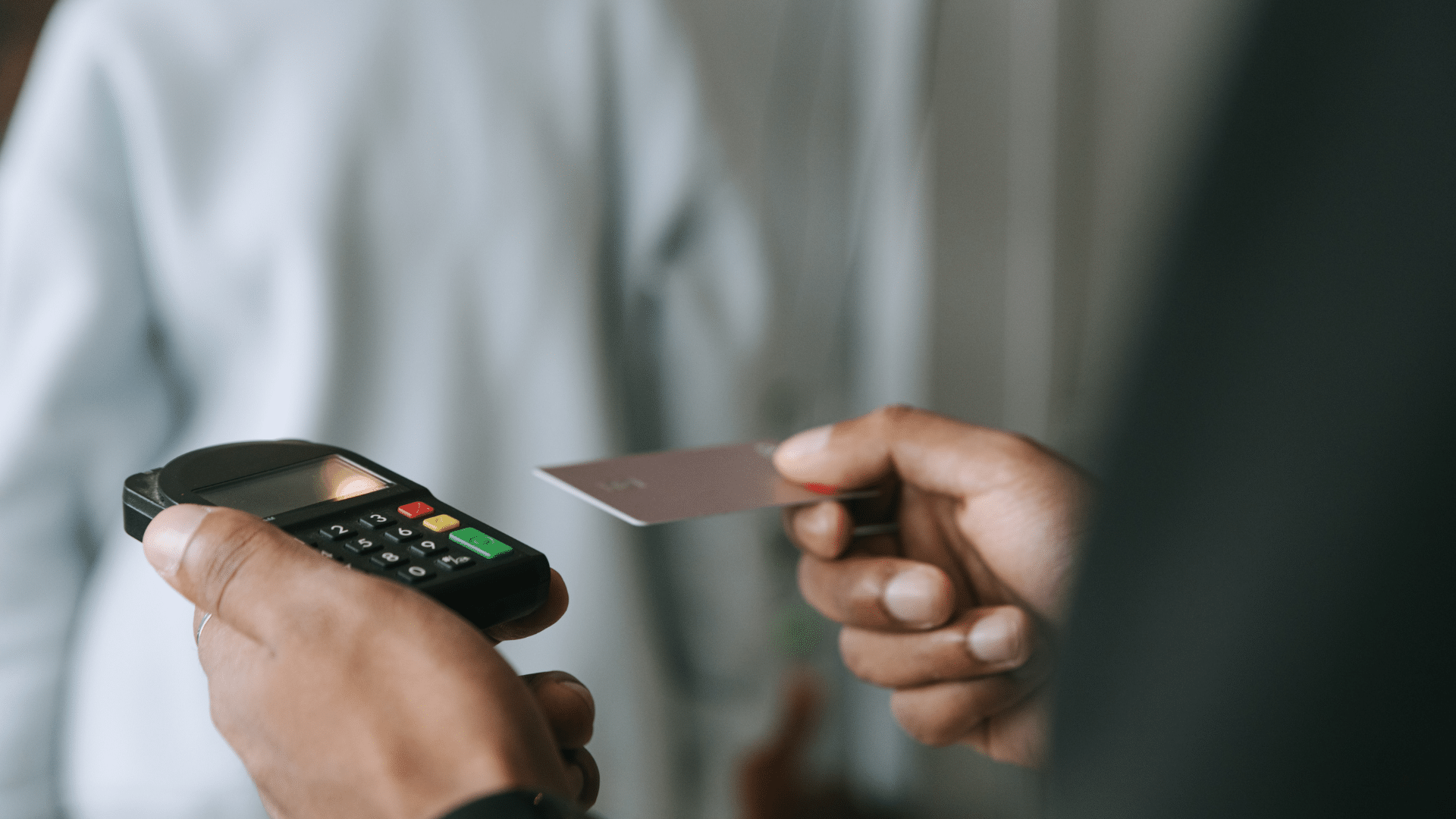
Much of our online life happens outside the home—at a coffee shop, the airport or in a hotel. While this is a normal part of our on-the-go life, it leaves our accounts vulnerable to scammers. Hackers frequently exploit open public networks, intercepting personal data and account information. Avoid logging into sensitive sites like your bank account when you’re in these public spaces to keep your information protected.
Safer Online Banking Habits:
- Avoid accessing your bank account on public Wi-Fi
- Use your phone’s secure cellular connection (your hotspot) instead of free public Wi-Fi
- Never download apps or click banking links from unfamiliar sources
- When in a public space, never accept an airdrop from an unknown sender
- Only log in through Landmark’s official website or mobile app
5. Know How Landmark Will (and Will Never) Contact You
One of the most effective ways to avoid banking scams is understanding exactly how your bank communicates, and how it doesn’t. At Landmark, we will never reach out to you via email or phone and ask for sensitive information such as your Social Security Number or account information. If we notice suspicious activity or have updates about your account, we will reach out via email and text. If you have any doubt about the communication you receive from Landmark, log into your banking app or call us directly to verify the information.
If you notice suspicious activity, don’t panic, but act quickly.
- Call Landmark Bank or your financial institution immediately to report the fraud or suspicious activity.
- Change your password right away to protect online accounts.
- Thoroughly review your checking and savings account to ensure you didn’t miss anything.
Stay Protected. Stay Connected.
As digital tools evolve, so do threats. With awareness, preparation and healthy digital habits you can keep your account secure.
At Landmark we are invested in keeping you safe. From one-on-one support to advanced fraud detection tools and real-time monitoring, you’re never alone when it comes to protecting your account or navigating security questions. Our banking professionals are here for you in person or over the phone to help keep your account secure. Call us today for everyday banking questions or to discuss online safety for your account.