 Search
 Investors
 1-800-318-8997
Phishing Scams Explained: How to Spot Fake Emails, Texts, and Calls Before It’s Too Late
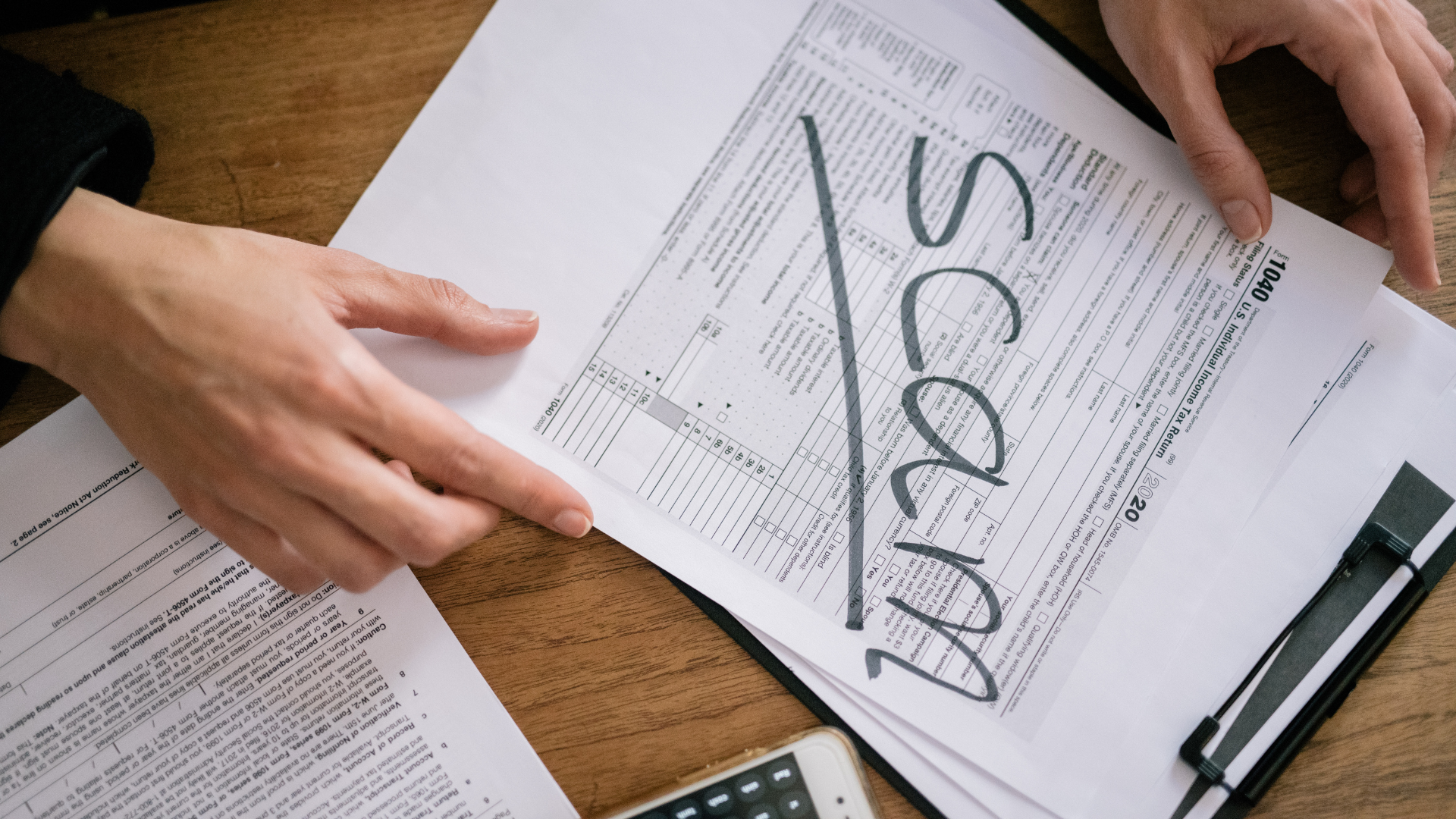
Phishing scams are one of the most common ways criminals try to steal personal information, and get more convincing every year, especially with advanced tools like artificial intelligence.
These scams often look like everyday messages: a delivery update, a bank alert, a password reset request, or even a call from a “customer service representative.” Understanding what phishing is and how to recognize red flags can help you stay protected when something suspicious comes your way.
At Landmark National Bank, we want you to feel alert and empowered to pause, question, and verify before responding.
What Is Phishing? Phishing Scams Explained
Phishing is a type of scam where criminals impersonate trusted organizations to trick you into sharing personal information, such as login credentials, account numbers, or your social security number. These scams can appear through:
- Email (phishing).
- Text messages (smishing).
- Phone calls (vishing).
Phishing, smishing, and vishing scams are three different approaches with the same end goal: to get you to click, respond, or reveal sensitive information.
How to Spot Phishing Emails, Texts, and Calls
Phishing messages often follow predictable patterns. Here’s how to spot phishing emails and other suspicious communication before it’s too late.
1. Urgency or Threats
Messages that say things like “Your account will be closed immediately” or “Act now to avoid fees” are designed to make you panic and take action without thinking things through.

2. Requests for Personal Information
A trusted bank or financial institution will never ask for your PIN, password, or verification codes through email, text, or phone.
3. Suspicious Links or Misspelled Domains
Scammers often use links that look almost correct — but not quite. For example, fraudsters often misspell “Amazon” as “Amaz0n” because it’s easy to glance over. Hover over links (without clicking) to preview the real URL.
4. Unexpected Attachments
Banks rarely send attachments. If you weren’t expecting a document, don’t open it. If you’re unsure, contact your bank directly for confirmation.
5. Generic Greetings
Phishing texts often start with random phrases like “Hello”, “How are you?”, “Are you coming to the party on Saturday?”
Realistic Examples of Phishing Attempts
Here are a few scenarios customers commonly encounter:
Fake bank alert: “We detected unusual activity. Click here to secure your account.”
Delivery scam: “Your package is on hold. Update your payment information.”
Vishing call: A caller claims to be from your bank’s fraud department and asks you to “verify” your account details.
Smishing text: “Your debit card is locked. Tap this link to unlock it.”
If something feels off, trust your instincts and verify through official channels. A quick check can save you countless hours of problem solving.
What To Do If You Receive a Suspicious Message
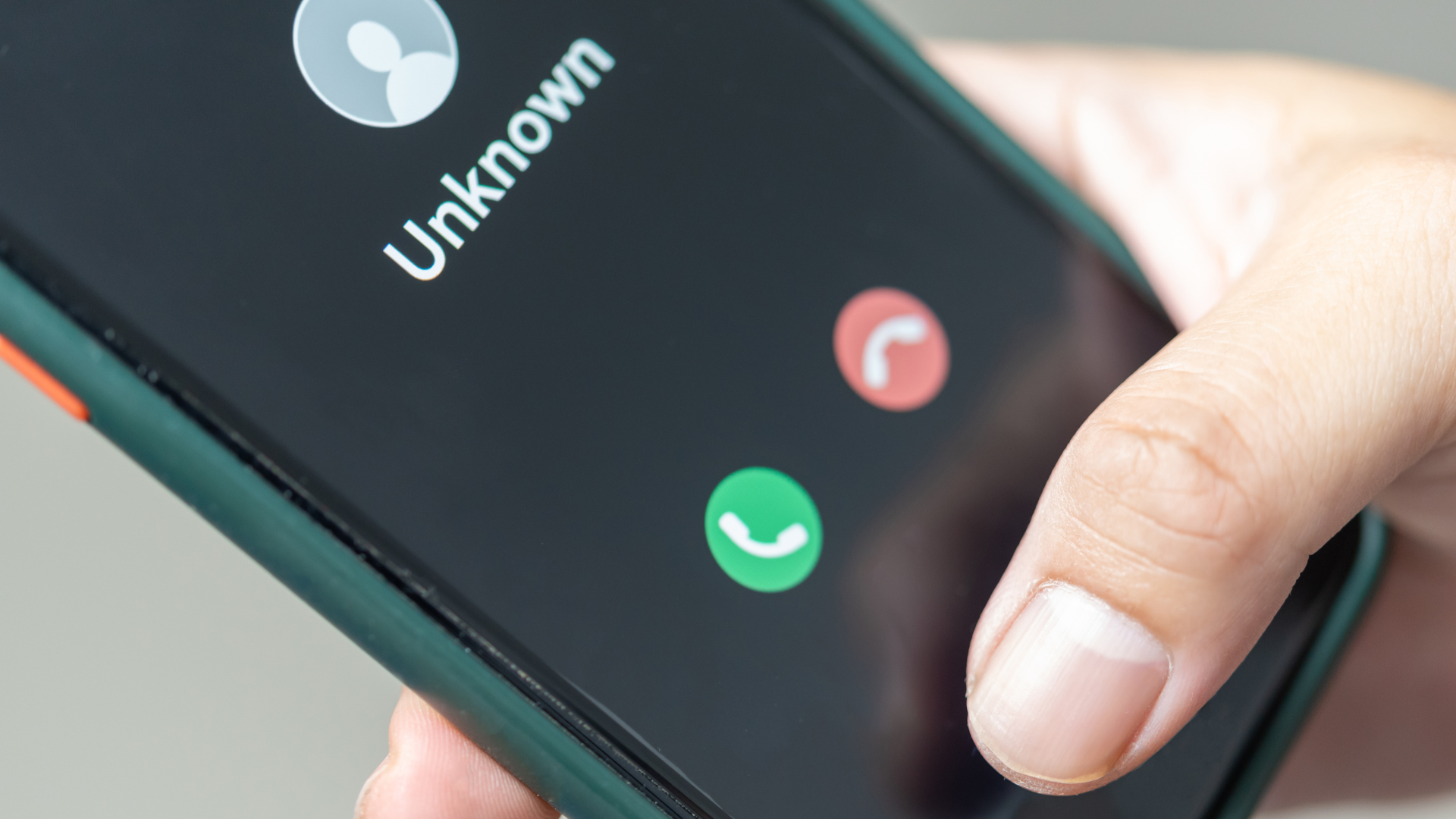
Here’s how to protect against phishing in everyday situations:
- Pause before clicking — scammers rely on quick reactions.
- Verify the sender by contacting the company directly using official contact information.
- Never reply to suspicious messages.
- Delete the message after reporting it.
If you accidentally clicked a link or shared information, contact Landmark immediately so we can help secure your account.
Stay Protected with Landmark National Bank
Phishing scams are common, but with the right habits and learning how to spot phishing emails, you can stay one step ahead.
If you receive a suspicious message claiming to be from Landmark, contact us directly using official contact information. Visit our Fraud & Scam Resource Center for more prevention tips.