 Search
 Investors
 1-800-318-8997
How to Protect Your Bank Account from Fraud and Scams

Fraud can happen in everyday moments — a text message that looks legitimate, a phone call that genuinely feels urgent, or an email that seems routine.
The good news is that protecting your bank account against scams doesn’t have to be complicated. With a few simple habits and account security tips, you can significantly reduce your risk and feel more confident about your financial security.
Monitor Your Accounts Regularly
One of the most effective ways to prevent bank fraud is to keep an eye on your accounts. A quick daily or weekly check-in helps you spot unusual activity early.
Look for:
- Transactions you don’t recognize.
- Unexpected withdrawals.
- Changes to your contact information.
- Alerts about login attempts.
If something doesn’t look right, contact your bank immediately. Acting quickly can prevent further damage.
Set Up Account Alerts for Added Protection
Account alerts are one of the easiest ways to protect against scams and fraud. Through online or mobile banking, you can receive notifications for:
- Large purchases.
- Low balances.
- New logins.
- Password changes.
- Transfers or withdrawals.
Set up account alerts today through online or mobile banking. These alerts give you real-time visibility and help you respond faster if something seems out of the ordinary.
Use Strong, Unique Passwords
Your password is your first line of defense. To strengthen your secure online banking experience:
- Use a mix of letters, numbers, and symbols.
- Avoid using personal details like birthdays or pet names.
- Never reuse passwords across multiple accounts.
- Consider using a password manager to stay organized.
A strong password makes it much harder for scammers to access your information.
Enable Two-Factor Authentication (2FA)
Two-factor authentication adds an extra layer of security by requiring a second step when logging in, such as a text or email verification. Even if someone steals your password, 2FA helps keep your account protected. Most fraud prevention experts consider 2FA one of the most effective bank fraud prevention tips available today.
Be Cautious with Emails, Texts, and Phone Calls
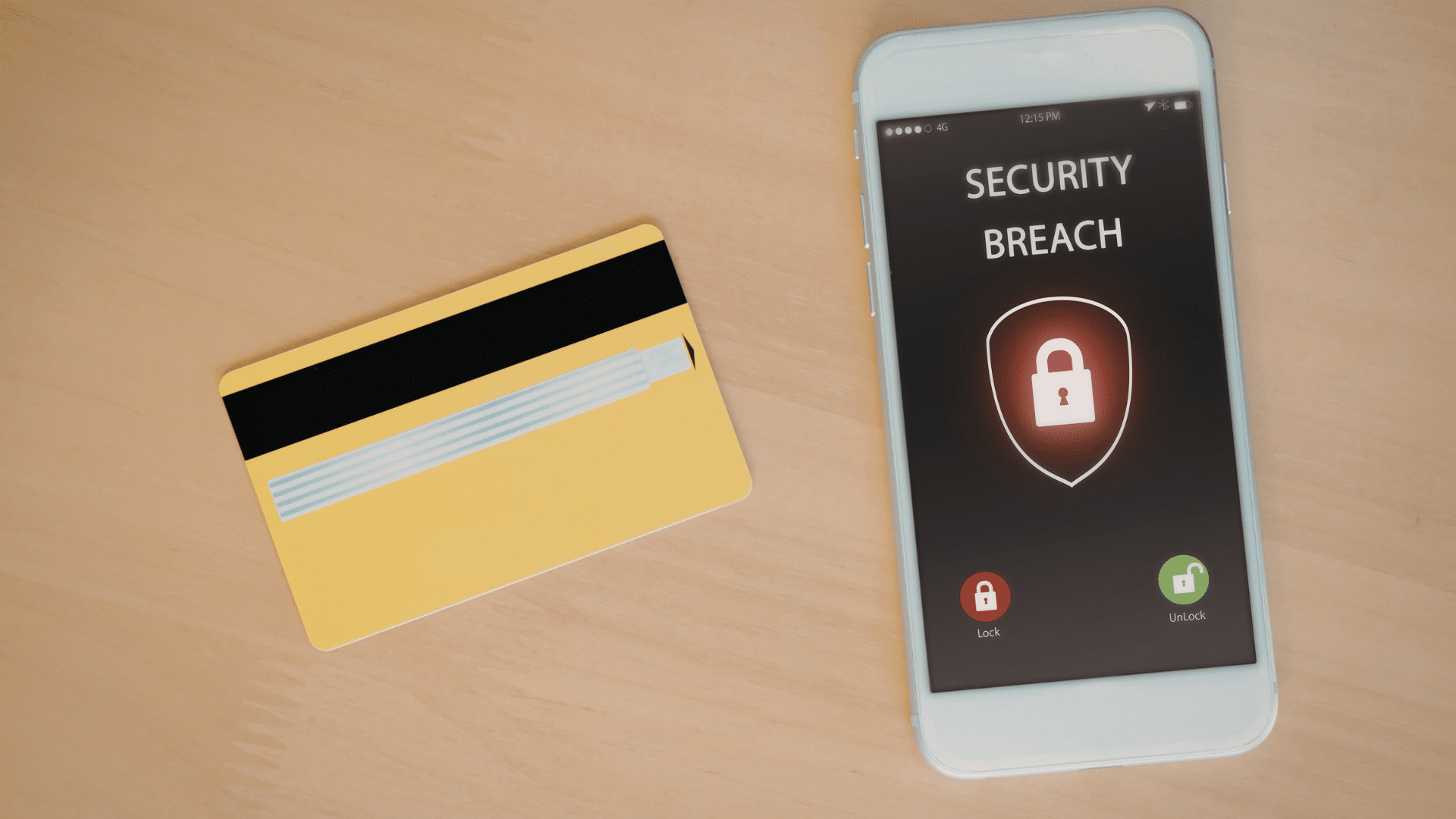
Phishing and spoofing are among the most common ways scammers try to access accounts. Here’s how to stay safe:
- Don’t click links in unexpected emails or texts.
- Be wary of messages that feel urgent or threatening.
- Hang up on suspicious phone calls.
- Never share your PIN, password, or verification codes.
If a message feels suspicious or off, trust your instincts and verify with your bank before responding. A simple confirmation can help demystify whether or not your bank really did try to initiate contact.
Avoid Public Wi‑Fi for Financial Transactions
Public Wi‑Fi networks in airports, coffee shops, and public spaces are not secure. Avoid logging into your bank account or entering personal information while connected to them. Use your mobile data or a secure home network instead.
Keep Personal Information Private

Scammers often gather small pieces of information from social media or public profiles. Protect yourself by:
- Limiting what you share online.
- Adjusting privacy settings.
- Being cautious about quizzes or posts that ask for personal details.
The less information available, the harder it is for scammers to impersonate you.
Stay Protected with Landmark National Bank
Everyone is at risk of financial fraud but learning how to protect your bank account helps shift the odds in your favor. Partnering with the right bank adds another layer of safety and security.
If you suspect fraud, contact Landmark National Bank immediately. We can help you set up account alerts today through online or mobile banking. Make sure to explore our Fraud & Scam Resource Center for more account security tips.