 Search
 Investors
 1-800-318-8997
Becoming a homeowner is a significant moment in your life that evokes a sense of accomplishment and independence. Whether you’re in the early stages of the homebuying process or closing on your dream house, it’s essential to consider the financial responsibilities that come with maintaining your property.
Whether you’re a first-time homebuyer or a more experienced homeowner, one of the biggest things you need to understand is how much to save for home repairs. In this blog from the experts at Landmark National Bank, we’ll explore how much money you should save for work around the house and what the most common home repairs are.
The Importance of Saving for Home Repairs
Owning a home summons feelings of pride and stability, but it also comes with the stress of unexpected potential expenses. Home repairs can vary widely in cost, meaning that having a dedicated fund for these unforeseen circumstances is crucial for maintaining your property’s value—and your peace of mind.
Experts recommend setting aside somewhere between one and three percent of your home’s purchase price annually for maintenance and repairs. For example, if you bought a home for $300,000, you should budget between $3,000 and $9,000 per year for home repairs. This may sound like a lot, but proactive saving can prevent financial strain when a major repair arises down the road.
Common Costly Home Repairs
Understanding the potential costs associated with the most common home repairs can help you determine how much to save. Here are some significant repairs that could impact your budget.
Roof Replacement
Your roof is one of the most damage-prone parts of your house. Over time, wear and tear from rough weather conditions can lead to leaks and other issues. A full roof replacement can cost several thousand dollars, making it a substantial investment.
HVAC System Repairs or Replacement
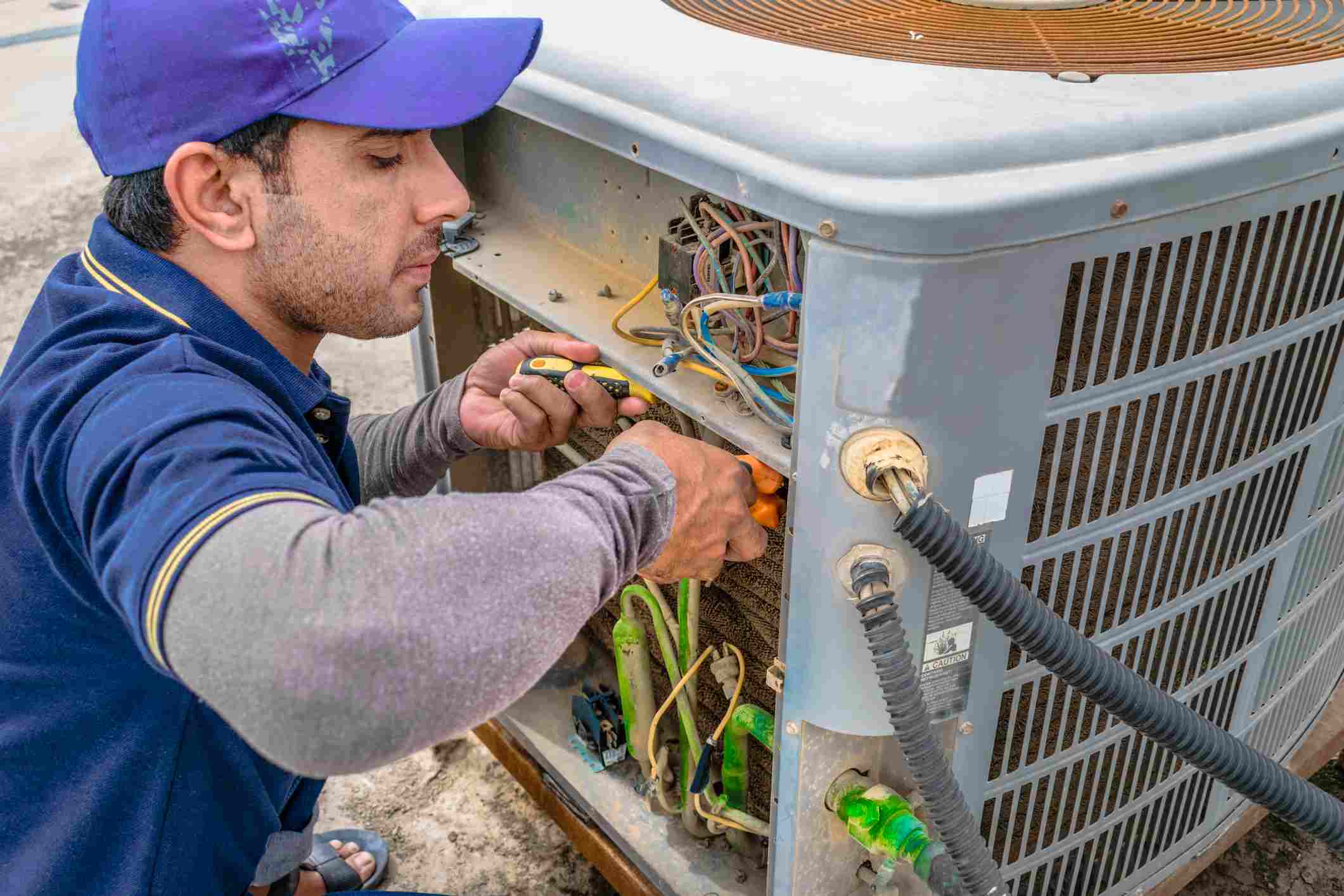
Heating, ventilation, and air conditioning (HVAC) systems play a crucial role in maintaining the comfort of your home. This can end up being one of the most expensive home repairs you face, especially if your entire system needs replacing.
Plumbing Problems
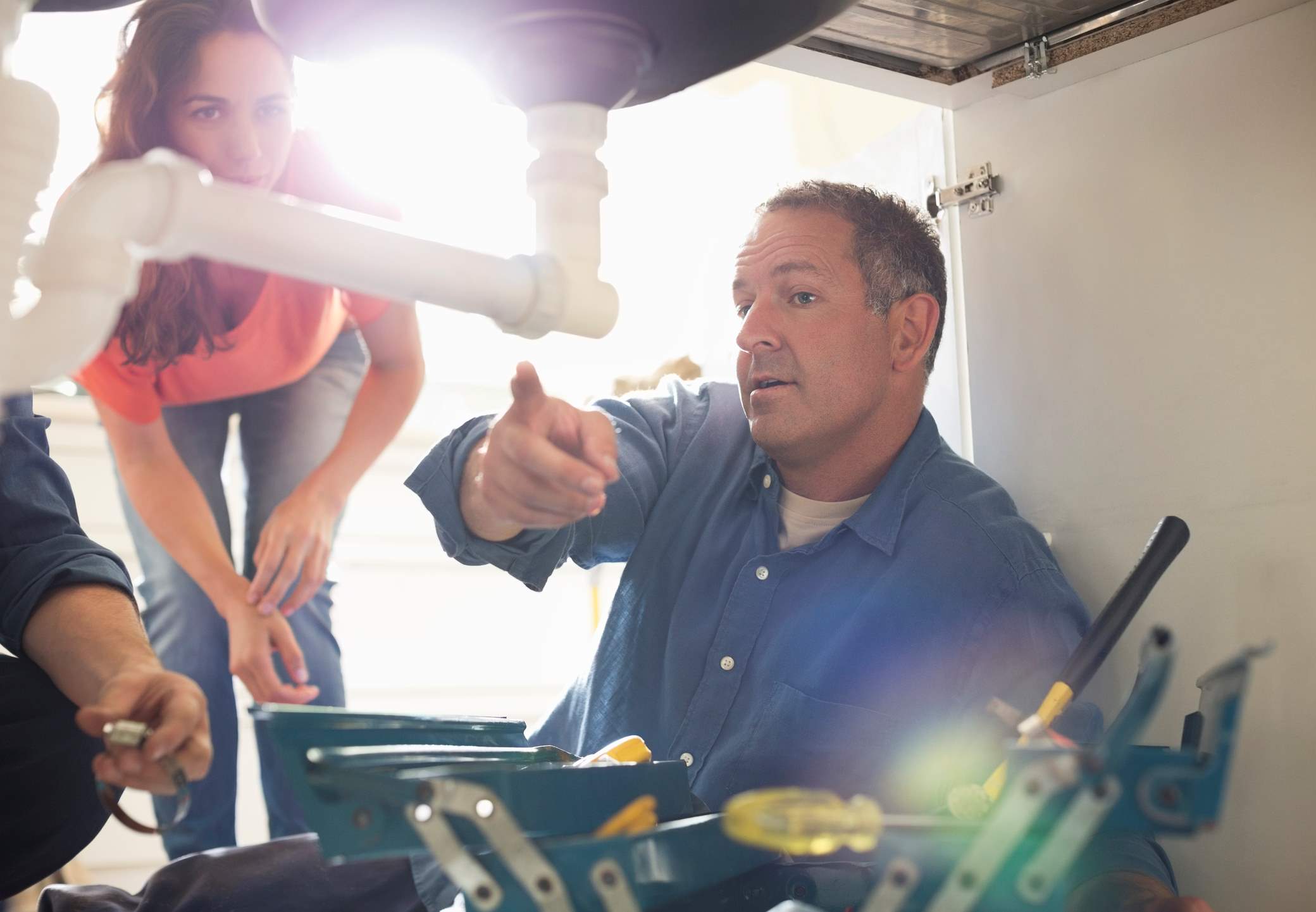
Leaks, burst pipes, or other plumbing issues can lead to water damage and mold growth. It’s essential to address these issues as soon as possible to avoid more extensive and costly repairs down the line.
Foundation Issues
Problems with your house’s foundation can compromise its structural integrity and overall well-being. Addressing foundation issues may require professional intervention and significant financial resources, as it’s generally one of the most expensive home repairs homeowners face.
Electrical System Upgrades
Older homes may require updates to their electrical systems to meet current safety standards. Rewiring or upgrading the electrical panel can be a sizable expense and should be left to the professionals for your safety.
Window Replacement
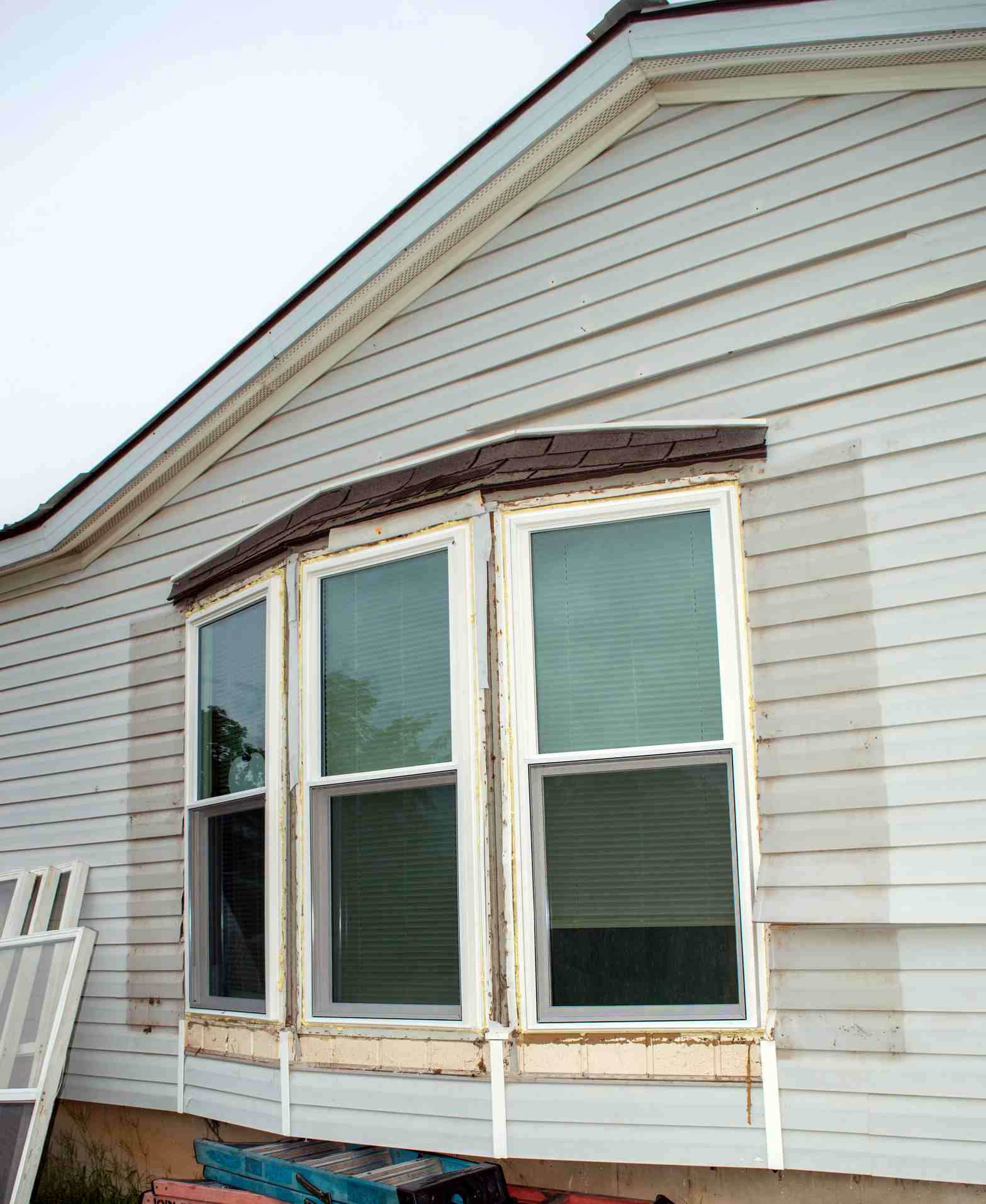
If your windows are outdated or damaged, replacing them can enhance energy efficiency and aesthetic value. However, the cost of new windows can add up quickly.
What To Look Out for When Buying a Home
As you embark on your homebuying journey, it’s crucial to be vigilant of potential issues that could lead to the most expensive home repairs. Here are some red flags to watch out for as a homeowner.
Water Damage
You should check for signs of water damage, such as discolored ceilings or walls, musty odors, or peeling paint. Water damage can be an indicator of plumbing issues, roof leaks, or inadequate drainage.
Foundation Cracks
Inspect the foundation for any cracks inside and outside the home. Small cracks may not be a significant concern, but larger or expanding cracks could signal deeper structural problems.
Outdated Roof
Assess the condition of your roof, looking for missing or damaged shingles. An old or deteriorating roof may require immediate attention to prevent leaks and water damage.
Faulty Wiring
Be sure to take a look at the electrical system when you’re touring a home. You’ll want to be on the lookout for outdated wiring or electrical panels. Inadequate or deteriorated electrical systems can pose safety hazards that may need to be updated within the first years of moving in.
Inadequate Insulation
Poor insulation can lead to energy inefficiency and an increase in utility costs. Check for drafts, inadequate insulation in the attic and basement, and the condition of windows and doors.
Aging HVAC System
Be sure to inquire about the age and maintenance history of the HVAC system in any home you view on your house hunt. An old or poorly maintained system may result in costly repairs or the need for a full replacement.
Tips for Saving for Home Repairs
Now that you understand what expenses to look out for as a potential homeowner let’s explore some practical tips for navigating the financial stress of the most common home repairs.
Create a Separate Fund
Opening a dedicated savings account for home repairs can help guarantee you have enough money put away to handle whatever problems you run into. This will help you resist the temptation to use the money for unnecessary purchases and keep track of your repair fund’s growth.
Emergency Fund
In addition to your dedicated repair fund, maintaining a separate emergency fund for unexpected expenses can help keep you afloat. This will serve as an extra layer of financial security for unforeseen circumstances like car repairs or medical bills.
Prioritize Repairs
Identify the most critical repairs or upgrades your home may need and take care of them first. This will help you allocate your funds effectively and ensure pressing issues are resolved promptly.
Regular Home Maintenance
Conduct regular maintenance and inspections around your home to identify and address minor issues before they escalate. Proactive measures can prevent costly repairs down the line.
Seek Professional Advice
Consult with professionals like home inspectors or contractors to get an accurate assessment of your property’s condition. This will help you plan and budget more effectively while setting you up for future financial success.
Spend Your Money Wisely With the Help of Landmark National Bank
Landmark National Bank is here to help you navigate the complicated journey of the homeownership process. We offer services from taking out a home loan to home equity loans of credit. Get started by contacting Landmark National Bank or finding your closest bank branch today!